Structured requirements
The assistant refines your idea and assembles it into a clear PRD: goals, users, scenarios, constraints and open questions.
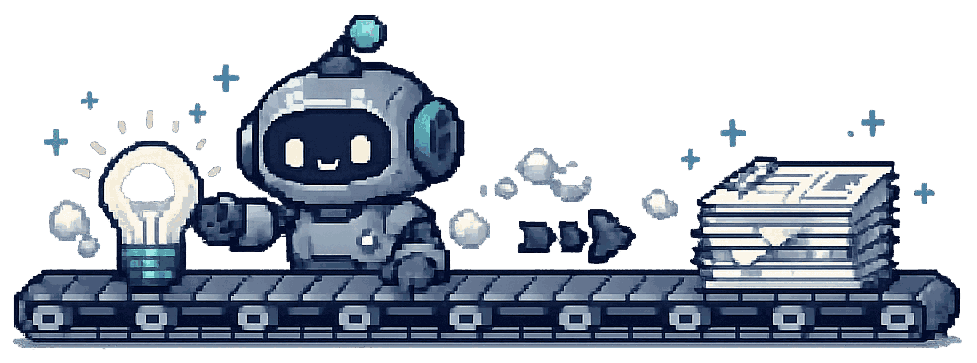
coob turns your idea into requirements, an estimate and a working product through an AI-native conveyor. Custom software of almost any complexity ships faster and cheaper, while engineers own the architecture, the code and the result.
After the free start
The first step in coob turns a raw idea into clear material to act on: what to build, why, for whom, at what scope and with what delivery logic.
Get the project foundationThe assistant refines your idea and assembles it into a clear PRD: goals, users, scenarios, constraints and open questions.
You can see which features are needed to launch, what can wait, and where the product starts paying off fastest.
Specialists size the work from structured requirements, not from an abstract two-line brief.
A clear path from idea to release emerges: stages, checkpoints, roles and the next step inside your project workspace.
What coob is
A typical studio sells team hours. coob sells delivered results: requirements, architecture, development, release and support all run through a streamlined AI-native process under the control of senior engineers. That means less manual busywork, shorter timelines and lower cost.
A software delivery conveyor for the new reality: AI takes on the busywork and speeds up every stage, while engineers design, review and carry the product to release. What you get is your product and your code, not a rental.
Architecture, code review, integrations and release stay in the hands of professionals. AI speeds the work up, but it does not replace accountability.
Assistants help gather requirements, refine scenarios, prepare specifications and cut manual busywork at every stage.
From idea to release everything follows a repeatable process: less chaos, clearer progress, lower cost and a faster result.
Delivery economics
coob does not cut corners on engineering quality. The conveyor removes manual busywork, early-stage uncertainty and the extra hours of communication that usually inflate the cost of custom development.
Use cases
It used to make sense. Today the functionality you actually need is built faster, costs less and is paid for like your own product, not an endless subscription.
 HR portal
 A company pays a monthly subscription for a heavy HRM. In practice it uses a tenth of it: employee profiles, leave requests, the org chart and documents. It pays for the other 90% of features for nothing.
Your own HR portal built exactly for those processes: employee profiles, requests and approvals, org chart, document base. Nothing extra, and it is your product.
 CRM
CRM A sales team pays per seat for a bulky CRM. Reps only use a contact list, a deal pipeline and reminders, while the other modules sit idle.
A lightweight CRM built for your pipeline and deal stages, with the reminders and reports you actually need. No paying for what you do not use.
 HelpDesk
 Support pays per agent for a third-party HelpDesk. They use the ticket queue, statuses and a couple of reply templates, yet still pay for analytics and integrations they do not need.
Your own HelpDesk: ticket queue, statuses and a base of canned replies built for your team. You pay once for what you use.
 Asset tracking
 A company pays for a heavy ERP module just to track equipment and assets. What it really needs is a registry of items, movements and balances with simple reports, and it overpays every month for the rest.
Simple asset tracking built for your processes: registry, movements, balances, the reports you need. Once, and it is yours.
Internal portals, approvals, dashboards, integrations, routine automation. Almost any internal software built for your processes through an AI-native conveyor and the oversight of senior engineers.
Describe your ideaOwn your stack
When your business depends on someone else’s platform, pricing, roadmap and availability are out of your hands. Building your own solution, shaped around your business, is the more reliable path, and today it is also the more cost-effective one.
Build your own solutionWhere coob shines most
An honest frame helps you decide whether to start an estimate right now. For most internal systems coob delivers the biggest win on time, cost and control.
How it works
You take the first steps right here. From there the conveyor moves your idea into requirements, an estimate, development and release inside your project workspace, cutting cost and time even for complex systems.
1A couple of sentences in your own words.
2The assistant clarifies goals, users and scenarios.
3A finished, clear document that you confirm.
4Senior specialists size cost and timeline. Predictably.
 5
5Senior engineers plus AI, with live progress.
 6
6Launch and ongoing evolution.
FAQ
Briefly: how coob differs from a typical studio, how the cost comes down, and what you end up with.
A typical studio mostly sells team hours and builds every project by hand from scratch. coob works as an AI-native delivery conveyor: an idea becomes requirements, an estimate, development and release through a repeatable process. Engineers own quality, while AI cuts busywork and speeds up the stages.
We reduce the manual work that usually eats the budget: gathering requirements, refining scenarios, preparing specifications, routine engineering operations, communication and progress tracking. The result is less chaos, fewer wasted hours and a faster path from idea to release.
Yes, the approach is not only for simple MVPs. Complex systems benefit from the conveyor too: requirements get clearer, architectural decisions are locked in earlier, progress is more transparent, and engineers can focus on the genuinely hard parts of the product.
No. You get a full product and its code, not a template in a builder. AI helps speed up design and development, but architecture, quality, integrations and release are controlled by engineers.
No. We do not hand projects to random contractors from the open market. Products are built by specialists from coob’s vetted team: senior engineers, architects and product experts who pass several rounds of screening and interviews before they are allowed onto projects.
We show the role, area of responsibility and contribution of a specialist, but we do not always reveal a public profile. Many coob engineers also work at major technology companies, so we protect their privacy. Accountability for quality, communication and the result still stays with coob.
You describe your idea, the assistant clarifies the important details, and clear product requirements take shape. Based on them, specialists can estimate the timeline, cost and a realistic scope for the first version of the product.
coob’s goal is to give you your own solution, not put you on a new rental. The finished product and code are handed over to you under the agreed project terms, so the system can be evolved and maintained going forward.
Post-SaaS
Stop choosing between an expensive studio and someone else’s SaaS. Describe your idea and start a modern development conveyor: faster, cheaper and built for your complexity.
Describe your idea